Author: trish

Are you struggling with bloating, fatigue, food sensitivities, or IBS?

Working with a Nutritionist Can Transform Your Gut Health.

Your gut health could be at the root of your symptoms. A nutritionist can help you navigate a personalised gut-healing protocol that focuses on repairing your gut lining, rebalancing your microbiome, and eliminating irritants that cause inflammation. Here’s how working with a gut health specialist can bring back balance and vitality. Please reach out if you would like more information about my packages and programmes to support you.

Step 1: Anti-Inflammatory Diet

What you eat has a powerful impact on your gut. A nutritionist will guide you towards an anti-inflammatory diet that focuses on:

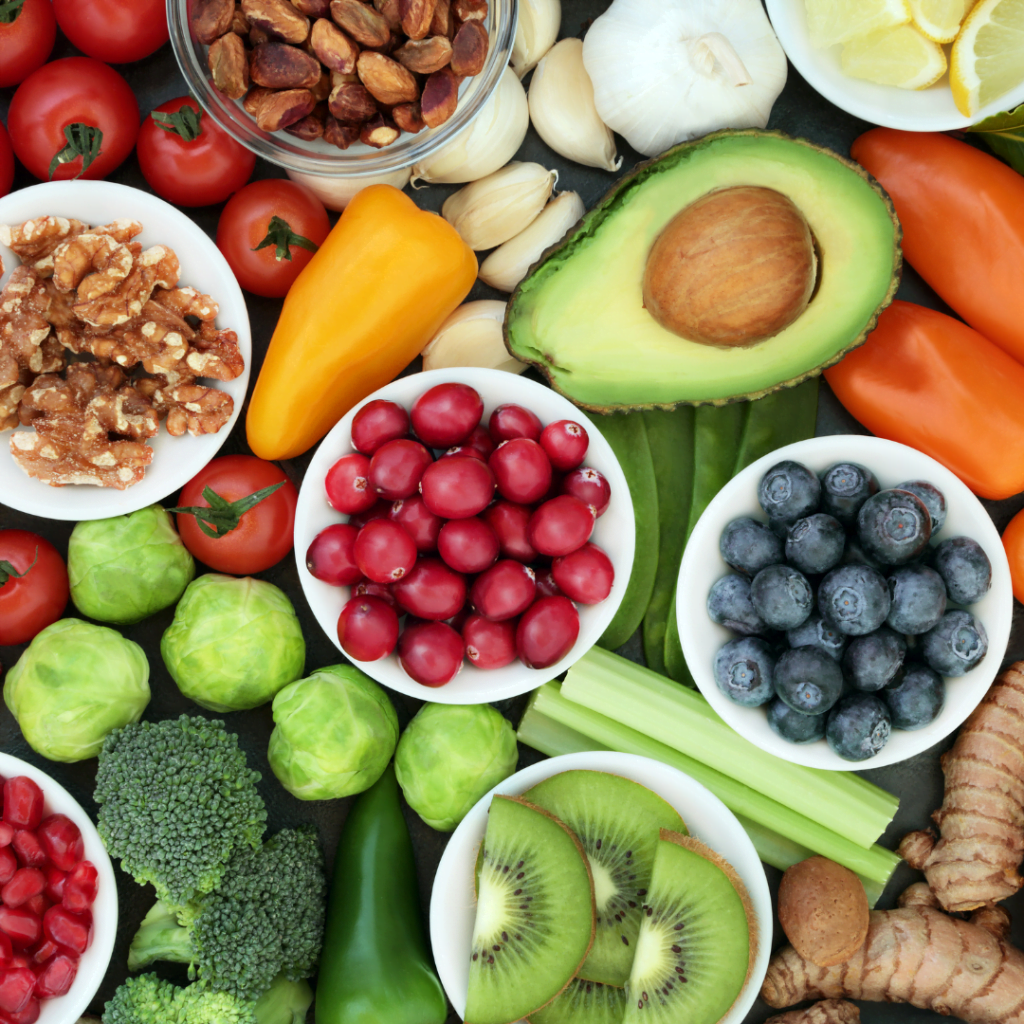
  • Whole, unprocessed foods: Think lean proteins, healthy fats (like avocado and olive oil), non-starchy vegetables, and low-sugar fruits (such as berries).
  • Avoiding irritants: Sugar, alcohol, caffeine, and processed foods can trigger inflammation and disrupt digestion.

This step helps calm your gut and reduces symptoms like bloating, discomfort, and fatigue.


Step 2: Supporting Digestion

Many people struggle to properly digest foods, especially proteins like eggs and dairy. Working with a nutritionist means you’ll get tailored solutions like:

  • Digestive Enzymes: Broad-spectrum digestive enzymes with meals improve food breakdown and reduce reactivity.
  • Bone Broth or Collagen: Rich in gut-healing amino acids that support tissue repair.

These tools ensure your digestive system works efficiently, helping you absorb nutrients better.


Step 3: Repairing the Gut Lining

If your gut lining is compromised (often referred to as ‘leaky gut‘), inflammation and food sensitivities can worsen. As a gut specialist I recommend key supplements, including:

  • L-Glutamine: Repairs the intestinal lining.
  • Zinc Carnosine: Supports mucosal healing.
  • Aloe Vera Juice: Soothes gut inflammation.

This targeted approach reduces symptoms and strengthens your gut barrier over time.


Step 4: Rebalancing the Gut Microbiome

An imbalance of gut bacteria can cause bloating, brain fog, and inflammation. I offer personalised plans using:

  • Probiotics: High-quality, multi-strain probiotics (20–50 billion CFUs) to restore beneficial bacteria.
  • Prebiotics: Specific fibres like inulin or guar gum to feed good bacteria, introduced at the right time to avoid aggravating symptoms.

Balancing your microbiome is key to improving digestion, mood, and immune health.


Step 5: Reintroducing Foods Safely

After removing problematic foods, I can help you reintroduce them systematically:

  • One food at a time.
  • Waiting 3–5 days between foods to monitor symptoms like bloating, fatigue, or skin reactions.

This process helps identify your personal triggers and rebuilds food tolerance over time.


Step 6: Lifestyle Adjustments

Gut healing is about more than just food. In the 8 week programme we address lifestyle factors that play a major role in gut health:

  • Stress Management: Practices like yoga, deep breathing, and tai chi to reduce gut permeability.
  • Adequate Sleep: 7–9 hours of quality sleep supports gut repair and overall health.
  • Gentle Movement: Regular, moderate exercise like walking or Pilates aids digestion without overtaxing your body.

Step 7: Immune Support with Supplements

To reduce inflammation and support immune function, I may recommend:

  • Vitamin D3: Essential for immune balance.
  • Omega-3 Fatty Acids: Anti-inflammatory benefits for the gut and body.
  • Curcumin: Potent anti-inflammatory, especially effective when paired with black pepper for absorption.

Step 8: Testing and Monitoring

If symptoms persist, I can also arrange functional tests like:

  • Comprehensive Stool Testing: To identify dysbiosis, parasites, or inflammation.
  • Zonulin Testing: To confirm leaky gut.
  • Nutrient Testing: Ensures deficiencies in B12, iron, or other key nutrients are addressed.

The Result? A Healthier, Happier Gut

Working with a nutritionist takes the guesswork out of gut healing. Through personalised dietary strategies, lifestyle shifts, and targeted supplementation, you’ll:

  • Reduce bloating and food sensitivities.
  • Improve energy, mood, and sleep.
  • Rebuild a strong, resilient digestive system.

If you’re tired of feeling uncomfortable and disconnected from your body, it’s time to take action. Your gut is the foundation of your health — and with the right support, you can reclaim vitality and feel like yourself again.

Ready to heal your gut? Let’s work together to create a plan that’s tailored to you. Reach out today to start your gut-healing journey!

Meet Olivia: Her Journey Through the 8-Week Gut Transformation Programme

Let’s talk about Olivia—one incredible woman who’s currently going through my 8-week gut transformation programme. Here’s the thing though: Olivia is four months in and still going strong, which is completely normal and absolutely okay! This programme is self-paced, meaning everyone’s journey is unique, and it’s all about progress, not perfection. No one’s on a timer here.

For Olivia, it’s been a game-changer. She’s 8kg lighter, but more importantly, she feels healthier than ever.

Olivia’s Story: More Than Just Weight Loss

Olivia, like many women in their 40s and 50s, is navigating the rollercoaster that is peri-menopause. Along with that, she’s on HRT (Hormone Replacement Therapy), which has been helpful for many aspects of her health. However, despite the HRT, she was still battling some frustrating symptoms:

  • Belly bloat that just wouldn’t quit
  • Poor quality of sleep (those 3 a.m. wake-ups are no fun)
  • And a fair share of anxiety and mood swings

That’s when she decided to give my Gut Transformation Programme a go. Fast-forward four months, and Olivia’s results are amazing—she feels nourished, not deprived, and is well on her way to a healthier, happier version of herself.

It’s Not a Race—It’s a Journey!

Here’s the beautiful thing about this programme: it’s designed to be self-paced. Olivia’s journey is a perfect example of why that flexibility matters. Some people might breeze through the programme in eight weeks, while others, like Olivia, take more time—and that’s completely okay! The goal is steady, lasting progress, not a quick fix. After all, real transformation takes time.

Hear from Olivia herself as she shares her journey…you’ll love it!

How The Programme Works (And Why It’s So Life-Changing!)

This isn’t just a standard gut health programme; it’s a whole new approach to supporting your body through peri-menopause and beyond. The programme provides a toolkit for better digestion, energy, and sleep, with the flexibility to fit your life and your schedule.

Here’s what you’ll get when you dive in:

  • Recipes your whole family will love (goodbye boring meals!)
  • A sense of community—you’re not alone in this!
  • Expert guidance on gut health, from someone who’s been through it herself
  • Weekly videos full of digestible (pun intended!) info on how to support your gut
  • Shopping lists and meal plans to take the stress out of planning
  • Step-by-step guides for everything from detoxing to lifestyle adjustments

Olivia loves that she can take things at her own pace. Some weeks, she dives into the videos and implements new changes, while other weeks, she revisits old lessons to really cement those healthier habits. It’s all about flexibility—there’s no one-size-fits-all here.

The Key to Gut Health Success? Patience and Self-Love

For women going through peri-menopause, there are unique challenges when it comes to gut health. Hormonal shifts can wreak havoc on digestion, sleep, and mood, but the right support makes all the difference. Olivia’s experiencing this firsthand. While her HRT helps balance hormones, the programme is addressing her gut health, reducing her bloat, and calming her anxiety.

Gut healing isn’t just about a temporary diet—this is about making lasting, sustainable changes. That’s why this programme focuses on long-term health benefits, teaching habits and practices that extend well beyond the initial eight weeks.

Why You Should Check Out the Programme for Yourself?

So, if you’re in Olivia’s shoes—struggling with belly bloat, fatigue, mood swings, or just not feeling your best—this programme could be exactly what you need. Whether you’re dealing with the ups and downs of peri-menopause, on HRT, or just seeking better overall health, this self-paced journey gives you the tools to feel your best at your own speed.

And the best part? You’re never alone. There’s a community of women just like you, supporting one another through every step. Plus, with expert guidance and easy-to-follow steps, you’ll have everything you need to kickstart your journey to better gut health.

Ready to Start Your Own Transformation?

Just like Olivia, you don’t have to rush this. Your health is worth taking the time. So, why not give it a go and see what amazing changes you can make? Head over to learn more about the programme, and take that first step towards a healthier gut, better sleep, and more energy.

Because if Olivia can do it, so can you!

The Hidden Battle: How Parasites and Lyme Disease Affect Liver and Spleen Function.

Topics covered include:

  • chronic fatigue
  • parasites
  • lymes Disease
  • gut function
  • Liver Function
  • Lymph
  • Detox pathways

Every organ plays a pivotal role in maintaining health and balance.

The liver and spleen are crucial for filtering toxins, fighting infections, and managing blood cells.

However, when invaders such as parasites and the bacteria responsible for Lyme disease enter the scene, they can disrupt the harmony, leading to significant health challenges.

The Liver: A Detox Powerhouse

The liver, known for its remarkable ability to detoxify and regulate blood, faces a formidable challenge when confronted with parasites and Lyme disease. These invaders can cause inflammation, reduce liver function, and lead to conditions such as hepatitis or cirrhosis.

Parasites, in particular, can block bile ducts, impeding the liver’s ability to process and eliminate toxins. Lyme disease, caused by the Borrelia burgdorferi bacterium, can also trigger liver inflammation, further straining its detoxifying capabilities.

The spleen—an organ vital for immune response and blood filtration

Parasites may cause splenomegaly, an enlargement of the spleen, which compromises its ability to filter blood effectively. Lyme disease, with its knack for evading the immune system, can weaken the spleen’s response to infections, leaving the body more vulnerable to other pathogens and diseases.

When both the liver and spleen are compromised, the effects can be profound. The body’s ability to detoxify blood, fight infections, and manage blood cells is diminished, leading to a cascade of health issues. Symptoms may include fatigue, jaundice, increased susceptibility to infections, and in severe cases, organ failure.

Strategies for Supporting Severe Fatigue and Parasites

Dietary changes, such as reducing inflammatory foods and increasing intake of nutrients that support detoxification and immune function, can be beneficial. Herbal remedies and supplements, under the guidance of a healthcare professional, may also offer support for liver and spleen health. Using herbs such as ginger, oregano, cinnamon and pumpkin seeds can be helpful in the treatment against parasites.

Do you suspect you have a parasite? Are you struggling with chronic fatigue? Get in touch.

Understanding the impact of parasites and Lyme disease on the liver and spleen underscores the importance of maintaining these organs’ health.

By adopting preventative measures, seeking timely medical intervention, and supporting the body’s natural detoxification processes, individuals can navigate the challenges posed by these conditions and maintain their well-being.

Boost Your Vitality: The Ultimate Guide to Polyphenol-Rich Foods for Good Gut Health

By weaving polyphenol-rich foods into your daily diet, you’re not just eating; you’re nourishing your body with the essence of wellness. This guide not only highlights the best sources of polyphenols but also integrates these insights into the framework of our transformative 8-Week Gut Healing Programme.

The Polyphenol Powerhouses

  • Berries Galore
  • Nuts
  • Green Tea
  • Chocolate
  • Leafy Green Veggies
  • Red drinks that contain resveratrol – pomegranate and red grape juice
  • Whole Grains

Berries Galore: Dive into the antioxidant-rich world of blueberries, strawberries, raspberries, and blackberries. A daily serving of mixed berries (at least one cup) is your ticket to a polyphenol paradise, offering a delicious way to boost your health.

Nuts: Almonds, walnuts, and hazelnuts aren’t just tasty snacks; they’re polyphenol powerhouses. Indulging in a small handful daily (about 1 ounce) can significantly contribute to your polyphenol intake. These are proteins for happy hormones and are an easy snack.

Veggies including spinach, artichokes, red onions, and broccoli are not only high in polyphenols but also essential for a gut-friendly diet. Incorporating at least two servings of these per day or other polyphenol-rich veggies into your meals supports both gut and heart health.

Dark Chocolate: For the sweet-toothed among us, dark chocolate (70% cocoa or higher) offers a guilt-free source of polyphenols. Limiting yourself to a small square daily allows you to savour the benefits without the sugar overload. I love pure organic cacao from New Gen that is also mixed with Maca and Quinoa for added hormone benefit. Enjoy a guilt free cup everyday and help your gut.

Green Tea is a staple in any health-conscious individual’s diet, green tea, with its rich catechin content, is ideal for a polyphenol boost. Two to three cups a day can make a significant difference in your antioxidant intake and is also a great way to balance your hormones.

Resveratrol is the active ingredient in red wine, grapes and pomegranates. While I cannot recommend alcohol consumption for gut health I love Sentia for a delicious alternative. Organic pomegranate juice is also excellent for gut health.

Whole grains like oats and rye bring polyphenols to your plate. Strive for 1 -3 servings of whole grains daily as part of a well-rounded diet.

Our 8-Week Gut Healing Programme is designed to harness the power of polyphenol-rich foods, among other nutritional strategies, to support and heal your gut.

With 139 easy recipes that emphasize these antioxidant-rich ingredients, weekly educational videos to deepen your understanding of gut health, and shopping lists to simplify your meal planning, this programme is your roadmap to a revitalized digestive system and improved overall health.

Incorporating a diverse array of polyphenol-rich foods into your diet is a cornerstone of the programme, ensuring you receive a broad spectrum of nutrients essential for gut healing and maintenance.

The key to unlocking the full potential of these foods lies in variety and moderation, allowing you to enjoy the flavours and textures they offer while reaping the health benefits.

Embark on this journey with our 8-Week Gut Healing Programme, and discover how a focused, polyphenol-rich diet can transform your health from the inside out.

Incredible Weight Control Results: A Holistic Approach to Weight Loss for Women

Embarking on a weight loss journey can often feel overwhelming, but with the right guidance and products, achieving your goals becomes not just a possibility, but a reality. In this blog post, we’ll explore how integrating two key products—Protein & Superfoods Plus—into your daily routine can transform your life, especially when combined with a holistic approach to wellness that includes functional nutrition testing and regular accountability check-ins as part of my 8-week gut healing programme.

In this blog we cover

  • Morning Rituals for Weight Control
  • The Power of Protein & Superfoods
  • Curbing evening cravings
  • How to the choose the right supplements
  • Lifestyle Tips for Lasting Change
  • The Role of Exercise and Antioxidants
  • Embracing Change for Improved Health
  • How to achieve incredible weight loss results

Morning Rituals for Weight Control

Starting your day on the right foot is crucial for weight control. Mixing two scoops of our Protein product with one scoop of Superfoods Plus in water creates a nutrient-rich drink that sets the tone for your day. Consuming this blend first thing in the morning, before anything else, primes your body for optimal weight control by influencing key hormones and blood sugar levels, making you feel fuller for longer and reducing cravings.

The Power of Protein & Superfoods Plus

Our Protein & Superfoods Plus products are not just any supplements. They are carefully formulated to provide a myriad of health benefits, from high protein and fibre content to antioxidants and probiotics. These ingredients work together to support your insulin levels, glucagon, GLP-1, and blood sugar, optimizing weight control and energy levels throughout the day.

How to prevent evening cravings

Incorporating these supplements at different times of the day can enhance their benefits. Whether it’s curbing evening cravings, improving sleep, or supporting your workout recovery, the combination of Protein & Superfoods Plus adapts to your needs, helping balance your hormones and gut health as part of my comprehensive 8-week programme.

How to Choose The Right Supplements

Not all protein supplements are created equal. Many on the market are extracted using Hexane, a solvent that’s harmful to your health. We partner with NewGen, who specialise in creating clean, organic, additive-free supplements. Our unique formulas and high-quality ingredients save you money while providing the health benefits you need for effective weight control.

Lifestyle Tips for Lasting Change

Achieving weight control isn’t just about what you consume; it’s about making holistic lifestyle changes. From shopping habits to exercise and avoiding diet traps like “diet drinks” and “fat-free” foods laden with sugars, our approach emphasizes the importance of good dietary habits, regular exercise, and avoiding inflammatory foods and drinks.

The Role of Exercise and Antioxidants

Exercise is essential for maintaining good health, but it needs to be balanced with the right nutritional support. The antioxidants in Superfoods Plus are designed to support your body, reducing free radical damage and supporting your weight control efforts.

Embracing Change for Improved Health

Improving your weight control and overall health requires a change in habits. By removing temptations from your home and incorporating our Protein & Superfoods Plus into your daily routine, you’ll make better choices that support your health goals. Our 8-week gut healing programme offers personalised support, functional nutrition testing, and regular check-ins to keep you on track.

Remember, the journey to weight control and improved health is a holistic one, encompassing not just what you eat but how you live. With the right support and products, you can achieve incredible results.

For more information on how to integrate these supplements into your lifestyle and to learn more about the 8-week gut healing programme book a free 20 minute consult with me here. You’re also invited to hear from Stephanie, one of my clients who achieved amazing results on our programme.

Does Eating processed meat increase the risk of type 2 diabetes?

Consuming two slices of ham a day can indeed raise the risk of type 2 diabetes by 15%, and understanding the mechanisms behind this involves looking at GLP-1, the gut microbiome, and the impact of processed meats. According to research Research led by the University of Cambridge and involving 2 million people worldwide provides the most comprehensive evidence yet of a link between meat and the disease that presents one of the most pressing dangers to global health.

I was asked to make a comment today for the BBC Radio so I thought I would share my thoughts with you here too.

Processed meats, such as ham, bacon, sausages, and some deli meats, contain various ingredients that can be harmful to blood sugar control and overall health.

Here’s a breakdown of some common ingredients found in processed meats and why they might be problematic:

1. Sodium Nitrate and Sodium Nitrite: These preservatives are used to maintain colour and prevent the growth of bacteria. They can lead to the formation of nitrosamines in the body, which are potent carcinogens. Research suggests that these compounds can also interfere with the body’s natural insulin response, potentially worsening insulin resistance and affecting blood sugar control.

2. High Salt Content: Processed meats are often high in salt, which can contribute to hypertension, a risk factor for diabetes. Excessive salt intake can also cause the body to retain water, leading to swelling and increased blood pressure.

3. Saturated Fats: Many processed meats are high in saturated fats, which can contribute to insulin resistance. Insulin resistance makes it harder for the body to use insulin effectively, leading to higher blood sugar levels.

4. Advanced Glycation End-products (AGEs): These compounds are formed when meats are cooked at high temperatures, such as during grilling or frying. AGEs can promote inflammation and oxidative stress, further impairing insulin sensitivity and exacerbating blood sugar control issues.

 5. Additives and Fillers: Some processed meats contain additives, fillers, and sugars to enhance flavour and texture. These ingredients can increase the calorie content and glycaemic index of the meat, potentially leading to blood sugar spikes after consumption.

These ingredients can feed existing viral, bacterial, and fungal conditions that can lead to inflammation and can also wreak havoc with your digestive system, and, weaken your immune system.

Processed meats like ham can lead to insulin resistance, a condition where the body’s cells don’t respond well to insulin. This resistance can blunt the effectiveness of GLP-1, making it harder to control blood sugar levels, thereby increasing the risk of type 2 diabetes.

How the Gut Microbiome plays a role:

The gut microbiome plays a crucial role in our overall health, including how we metabolise foods and regulate blood sugar. Processed meats contain additives and preservatives that can disrupt the balance of beneficial bacteria in the gut.

This disruption can lead to inflammation and a decrease in the production of short-chain fatty acids, which are important for gut health and metabolic regulation. Such changes can contribute to insulin resistance and the development of type 2 diabetes.

Some alternatives to processed meat:

To reduce the risk of type 2 diabetes, consider incorporating these healthier protein sources into your diet: –

Oily Fish: Rich in omega-3 fatty acids, fish is a great alternative that supports heart and brain health.

Legumes: Beans, lentils, and chickpeas are not only high in protein but also fibre, which can help regulate blood sugar levels.

Nuts and Seeds: Almonds, chia seeds, and flaxseeds are excellent sources of protein, healthy fats, and fibre.  

Eggs: A versatile protein source, eggs can be prepared in various ways and are beneficial for those looking for low-carbohydrate options.

Dairy: Greek yogurt and cottage cheese are high in protein and can be a part of a balanced diet.

By choosing these alternatives, you can enjoy a varied diet that supports your gut health, helps regulate your blood sugar levels, and reduces your risk of type 2 diabetes. Try meat free days and swap out your deli meat for seeds, beans and more vegetables. If you are concerned about your risk of type two diabetes, working with a nutritionist can make a big difference. Diet and lifestyle support are available here.

What Is The Real Truth About Seed Oils in Your Food?

The Hidden Culprits: Harmful Seed Oils in “Healthy” Foods.

Lurking within some “healthy” foods are ingredients that could be undermining our efforts: harmful seed oils. These oils, high in omega-6 fatty acids, have been linked to inflammation, a root cause of many chronic diseases. This is something I see a lot with women over 40 who are trying to lose weight but are struggling with joint pain, tiredness and inflammation. The harmful oils in your food could be the culprit. But how to avoid these harmful oils when they are everywhere in our food chain? Here is a guide to the most harmful oils plus some healthier alternatives. This is something that we can test in clinic so if you are struggling with joint pain and tiredness please get in touch.

Let’s uncover the most harmful seed oils, the foods best to avoid, and explore healthy swaps rich in omega-3s to combat inflammation.

The Most Harmful Seed Oils:

1. Soybean Oil: Found in many processed foods, salad dressings, and sauces.

2. Corn Oil: Common in fried foods and snacks.

3. Cottonseed Oil: Often used in baked goods and margarine.

4. Canola Oil: Despite its “healthy” reputation, canola oil undergoes heavy processing.

5. Sunflower and Safflower Oils: High in omega-6s, these oils are prevalent in many “healthy” snacks.

Foods to Avoid:

– Processed snacks and chips often contain these harmful oils.

– Store-bought salad dressings and mayonnaise can be high in omega-6s.

– Many baked goods and fast foods rely on these oils for their long shelf life and flavour.

Why Do Seed Oils Cause Inflammation?

Seed oils are high in omega-6 fatty acids, which, in excess, can lead to an imbalance in the body’s omega-6 to omega-3 ratio. This imbalance promotes inflammation, contributing to chronic health issues such as heart disease, arthritis, and metabolic syndrome. The processing methods of these oils can also generate harmful compounds that exacerbate their inflammatory effects.

Healthy Swaps and Omega-3 Rich Foods:

Instead of reaching for foods containing harmful seed oils, consider these healthy swaps:

– Use Olive Oil or Avocado Oil: Great for dressings or low-heat cooking, these oils are lower in omega-6s and offer health benefits.

– Snack on Nuts and Seeds: Almonds, chia seeds, and flaxseeds are not only low in omega-6s but also provide beneficial omega-3s.

– Incorporate Fatty Fish: Salmon, mackerel, and sardines are excellent sources of omega-3 fatty acids, known for their anti-inflammatory properties.

The easiest way for your clients to balance their omega-3:6:9 ratio is through a combination of dietary adjustments and mindful selection of supplements, if necessary.

Here are some straightforward strategies:

1. Increase Omega-3 Intake: Encourage the consumption of omega-3-rich foods like fatty fish (salmon, mackerel, sardines), flaxseeds, chia seeds, walnuts, and hemp seeds.

For those who don’t consume fish, algae-based omega-3 supplements can be a good alternative.

2. Reduce Omega-6 Consumption – cut back on foods high in omega-6 fatty acids, particularly processed seed oils (soybean, corn, cottonseed, sunflower, safflower) and foods made with these oils. Opting for whole, unprocessed foods can naturally help reduce omega-6 intake.

3. Mindful Use of Omega-9: While omega-9 fatty acids, found in olive oil, avocados, and almonds, are beneficial, they are typically well-represented in the diet. Focus should be on balancing omega-3 and omega-6 first.

4. Read Labels: Become label-savvy to avoid hidden sources of omega-6 in processed foods.

5. Consider Supplements: If dietary changes are insufficient or not feasible, high-quality omega-3 supplements can help adjust the ratio. It’s important to choose supplements that are third-party tested for purity and potency.

Discover the Secrets to a Blissfully Happy Gut in 4 Easy Steps!

Are you on a quest for that elusive feeling of gut happiness? Here at Trish Tucker May Nutrition, we believe wholeheartedly in the magic of transforming our health through the foods we love and lifestyle choices that radiate positivity. 

The Foundation of Gut Health: Dietary Fibre and Nutrient-Rich Foods

First up on our digestive delight tour is the cornerstone of gut health – fibrous, colourful fruits and veggies! 

We often overlook the simplest truths, but these natural treasures are our gut’s best friends. They’re not just about making our plates look pretty; they pack a powerful punch of vitamins, minerals, and most importantly, fibre. 

Imagine fibre as the ultimate cheerleader for your gut, promoting a party of beneficial bacteria and keeping things moving smoothly, if you know what I mean. 

A rainbow on your plate truly does wonders!

Hydration: The Cornerstone of Digestive Efficiency

Secondly, let’s talk hydration. The elixir of life, water, plays a critical role in our overall health and especially in our digestive system. Keeping well-hydrated helps our body effectively break down foods and absorb nutrients while ensuring our gut landscape is just moist enough for everything to flow seamlessly. Let’s make water our beverage of choice (and maybe that occasional herbal tea) instead of too much coffee and alcohol.

Mindful Eating and Stress Management: Harmonizing the Digestive Process

Do you know the power of mindful eating and stress management? In the hustle and bustle of modern life, it’s easy to forget that how we eat impacts our digestion massively. By taking the time to eat in a relaxed environment, chewing thoroughly, and truly savouring each bite, we engage our digestive system in the most harmonious way possible. 

Dietary Diversity: Cultivating a Rich Microbial Ecosystem

Embrace diversity in your diet. 

Encourage an environment where beneficial gut bacteria can thrive by mixing up your food choices. Experiment with new foods, embrace fermented favourites like sauerkraut or kefir, and tickle your taste buds with unexpected flavours. Variety isn’t just the spice of life; it’s the lifeblood of a thriving digestive ecosystem.

Here’s to a fulfilling and joyful journey towards gut wellness. The road to well-being is both beautiful and uniquely yours—let’s embark on this remarkable journey together.

For more information about the 8-week gut transformation programme click here

How Every Breaking Dawn Brings A Chance To Choose Balance

A quick reminder on how to increase your happy hormones. I love my ice bath, meditation, hot tub at dawn. Staring into the sun (hopefully) as it rises in the distance.

Ever found yourself in a slump, where not even your favourite coffee can do the trick?

Oh yes, we’ve been there, navigating through days when everything seems just a bit too overwhelming. Well, let me share a little secret with you: there’s a way to lift your spirits naturally, and it’s all about getting those happy hormones dancing!

Here at my corner of the wellness world, it’s not just about what’s on your plate. It’s about nurturing both body and soul to cultivate a life brimming with health and happiness. I’m thrilled to share with you my go-to strategies for activating those joy-inducing hormones. 😊

I LOVE the thrill of ice baths. Picture it: immersing yourself in chilly waters and feeling a rush of endorphins that leaves you exhilarated. It’s like a natural high that also bolsters your physical resilience.

Each morning you can wander into the realm of meditation and mindfulness. Finding peace amidst chaos might seem like a Herculean task, but carving out time for meditation daily can work wonders. It’s all about serenading your serotonin levels for a calm and positive mindset that gently carries you through the day.

In weaving calming practices into your routine, you’re not just brightening your mornings but transforming your entire outlook on life.

My commitment is to guide you through this wonderful synergy of diet, wellness, and lifestyle changes. Remember, achieving a happier, healthier self isn’t a lofty dream—it’s absolutely within your grasp.

Let’s embark on this journey together and light up our lives with every breaking dawn. After all, chasing after a radiant, joy-filled existence is not just possible; it’s a promise we can make to ourselves

And yes, science is on our side with this one!