Tag: energy

Following the Moon: A Menopausal Woman’s Guide to Finding Flow, Creativity and Rest

Yesterday we experienced a beautiful new moon and it brought with it an invitation to pause, breathe and reconnect. I spoke to so many women this week who said they felt emotional, tired or unusually reflective and it all makes sense. The new moon carries a quiet, introspective energy and for women in perimenopause and menopause this energy can feel especially powerful.

As women we are naturally cyclical beings. For decades our menstrual cycle provided a sense of rhythm and an internal map guiding our moods, creativity and energy. When the monthly bleed fades during menopause many women tell me they feel disconnected from that inner rhythm. They often say they feel unanchored or unsure how to structure their energy throughout the month.

Here is the truth that I want every midlife woman to hear.
Your cycle has not ended. It has simply shifted.
The moon can now become your rhythm.

Just as the tides respond to the moon our bodies and emotions respond too. The lunar cycle offers a beautiful framework that helps women reconnect with creativity, clarity and rest. Since we have just stepped into a new moon it is the perfect moment to explore how each phase can support you.


New Moon Energy: Quiet Beginnings and Deep Rest

With the sky dark and the world quieter the new moon invites us to turn inward. After menopause this phase mirrors what the menstrual phase once offered. A moment to rest and gather yourself. A moment for stillness and intention.

Many women notice that during a new moon they feel introspective or tired. Some feel a desire to withdraw or journal. Others simply feel a natural urge to slow down.

Supportive practices include:
• Gentle journalling and intention setting for the month ahead
• Warm grounding foods like soups or roasted vegetables
• Early nights and quiet evenings
• Slow walks in nature to tune in to what you truly need

This is your pause. Your exhale. Your reset.


Waxing Moon: Rising Energy and Creativity

Over the next week the moon will begin to grow and many women naturally feel their energy rising too. This is the time to begin new habits or projects. You might feel more social, more focused or more motivated. It is an ideal time to start a new fitness routine, refresh your nutrition or plan something creative.

Supportive practices include:
• Eating more colourful and vibrant foods
• Planning tasks that require clarity and focus
• Connecting with others and saying yes to collaboration
• Adding a little more movement to your day

Think of this as your build and grow phase.


Full Moon: Illumination and Sacred Rest

When the moon reaches her fullest light everything becomes clearer. This is often the most emotional part of the cycle. Many women notice stronger feelings, heightened intuition or a need to withdraw.

Ancient traditions viewed the full moon as a time for women to rest together. Even without a physical bleed you can honour this powerful need for stillness.

Supportive practices include:
• Creating space for rest around the full moon
• Quiet evenings with calming herbal teas
• Journalling about what has come to the surface
• A warm bath with lavender or clary sage

This is a time of release and reflection.


Waning Moon: Letting Go and Preparing for Renewal

As the moon begins to shrink our energy naturally shifts inward again. This is the cleansing phase and it is perfect for emotional clearing, decluttering and simplifying life.

Supportive practices include:
• Lemon water and leafy greens to support the liver
• Gentle yoga or tai chi to release tension
• Clearing physical spaces that feel heavy
• Letting go of worries, habits or thoughts that no longer support you

This prepares the ground for the next new moon and the next beginning.


Why Lunar Living Matters in Menopause

Menopause invites us into a new chapter. Hormones shift and the predictable rhythm we lived with for decades changes. Following the moon offers a gentle guide to help us reconnect with our cyclical nature.

Lunar living can help you feel:
• more grounded
• more connected to your intuition
• more balanced emotionally
• more aware of your energy levels
• more supported by nature and by your own wisdom

The moon becomes your new guide. Your new feminine rhythm. Your new cycle.


Final Thoughts

Menopause is not an ending. It is a rebirth into wisdom, intuition and deep feminine power. The moon is there to walk beside you through each phase. With yesterday’s new moon as your starting point I invite you to move into this next lunar cycle with curiosity and kindness.

When you next look up at the night sky let the moon remind you that you are still cyclical, still radiant and still beautifully connected to the natural rhythms of life.

Small shifts, big results! How simple daily habits transformed one woman’s gut health and blood sugar.

Sometimes it’s not the big overhauls that change our health, but the small daily habits we stay consistent with.

This week I had a wonderful client session that reminded me exactly why I do what I do.

When she first came to me, she was struggling with type 2 diabetes, bloating, and nausea that made mornings a real challenge. Her blood sugar was all over the place and she was feeling flat, tired, and frustrated.

Together, we didn’t start with anything extreme. We began with the little things that make the biggest difference.

She focused on:

  • Drinking more water throughout the day.
  • Reducing alcohol and being mindful of when and why she reached for it.
  • Avoiding drinking and eating at the same time to support proper digestion.
  • Adding healthy fats and protein to every meal to keep blood sugar stable.

Within just a few weeks, her whole body began to shift.

She no longer feels nauseous in the mornings. Her bloating has gone. Her energy is more stable, and her blood sugar has levelled out for the first time in years. She’s even lost weight, but more importantly, she feels in control of her body again.

She told me this week, “It’s been absolutely life changing.”

That’s what happens when you give your gut what it needs, consistency, balance, and nourishment.

You don’t need to cut everything out or do something extreme. Start with small, sustainable steps. Hydrate. Breathe before you eat. Focus on protein and healthy fats at each meal. Your body knows what to do when you support it in the right way.

If you’re ready to start making small shifts that lead to big change, you’ll find plenty of guidance and structure inside my 8 Week Gut Transformation Programme. It’s self-paced, practical, and designed for women who want to feel lighter, clearer, and more in tune with their bodies again.

You can join anytime and begin your own transformation today.

Why Gut Health Changes After 40

If you’ve noticed your digestion changing in your 40’s and 50’s, you are not imagining it. Many women tell me they feel more bloated, sluggish, or sensitive to foods that never used to bother them. You might find that your stomach feels “off” more often, that your jeans feel tighter, or that you have less energy after eating.

These are all signs that your gut health may be shifting, and the good news is, there is plenty you can do to support it.

What Happens to Gut Health After 40

As we move through midlife, several natural changes occur that affect digestion and gut balance:

1. Hormonal shifts
Oestrogen and progesterone influence gut motility (how food moves through the digestive system). As these hormones fluctuate and eventually decline, the gut can slow down, leading to constipation, bloating, or a feeling of heaviness after meals.

2. Declining microbiome diversity
Our gut microbiome, the trillions of bacteria living in our digestive tract, becomes less diverse with age. This can make us more sensitive to certain foods, less efficient at absorbing nutrients, and more prone to inflammation.

3. Stress and lifestyle compounding over time
Years of juggling work, family, and life’s pressures can take their toll. Chronic stress raises cortisol, which can impact gut permeability, slow digestion, and reduce the production of key digestive enzymes.

4. Reduced stomach acid and enzymes
After 40, we often produce less stomach acid and fewer digestive enzymes. This can make it harder to break down protein, absorb vitamins, and fully digest meals, which can cause bloating and discomfort.

How to Support Your Gut Now

You do not need a complete overhaul to start feeling better. Focus on small, consistent habits that support your digestion day to day:

Move daily – Gentle walking or stretching after meals helps food move through your system.

Eat slowly and chew well – Digestion starts in the mouth, not the stomach.

Include fermented foods – Add small amounts of sauerkraut, kefir, or kimchi to meals.

Stay hydrated – Dehydration can slow digestion and increase bloating.

Add prebiotic fibre – Foods like garlic, onions, leeks, and asparagus feed good gut bacteria.

Manage stress – Even a few minutes of deep breathing before eating can make a difference.

When to Seek Extra Support

If you have persistent bloating, constipation, IBS symptoms, or fatigue, it might be time to look deeper. Comprehensive gut or hormone testing can reveal what’s really going on, from imbalances in your microbiome to sluggish liver function or low digestive enzymes.

Supporting your gut is one of the most powerful ways to improve your energy, hormones, and mood in midlife. Email me if you’d like my help. Trish@trishtuckermay.com

Coming Up Next Week

Next week’s blog will explore The Gut-Hormone Connection – how your gut influences oestrogen, blood sugar, and mood. This one is a must-read if you are navigating perimenopause or menopause and want to feel balanced again.

Food or Fake? Why the Nourish Awards Are Essential.

In a world of misleading labels and ultra-processed “health” foods, the Nourish Awards spotlight what’s real, nourishing, and truly good for you.

In a world where supermarket shelves are packed with ultra-processed foods disguised as healthy options, judging the Nourish Awards has never felt more important. These awards celebrate innovation, transparency, and truly nourishing ingredients—qualities that are often lost in the noise of clever marketing and misleading packaging.

Every year, I have the privilege of evaluating products that prioritise health, integrity, and real nutrition. It’s not just about taste or presentation—it’s about what’s inside and how it supports our long-term wellbeing.

More Than Ever, We Need Clarity in the Chaos

Today’s consumers are more confused than ever. With every scroll or shopping trip, they’re bombarded with messages like “high-protein,” “low-carb,” “plant-based,” or “natural”—many of which mean very little in terms of actual nutritional value. The truth is, many of these so-called health foods are packed with additives, sugars, or inflammatory oils that do far more harm than good.

As a nutritionist working with women on gut and hormone health, I see the impact of this confusion daily. Clients come to me exhausted, bloated, and overwhelmed, unsure of what to eat or whom to trust. That’s why shining a spotlight on truly nourishing products is so essential—and why the Nourish Awards are a beacon of hope in an increasingly complex food system.

Celebrating What Food Should Be

Judging the Nourish Awards is more than a task—it’s a mission. It’s a chance to elevate brands that are making a real difference, prioritising health over hype. In doing so, we help create a clearer path for consumers who are looking to feel better, eat better, and live with more vitality.

Because in the end, food should nourish—not confuse.

The sports nutrition category has made considerable progress in recent years, moving beyond synthetic-tasting bars and powders toward more consumer-friendly formats.

However, many products in this space still rely heavily on ultra-processed ingredients. Artificial sweeteners and sugar alcohols, palm oil and low-quality fats, hydrolysed wheat, soy isolates, milk protein concentrates.

These can deliver function but often compromise on digestibility, especially for sensitive individuals.

If you are overwhelmed and are not sure what to eat, reach out as working with a nutritionist can help.

Here’s a list of some of the worst ingredients to avoid for your optimal health, especially when supporting gut health, hormone balance, and reducing inflammation. These are common in ultra-processed foods and can wreak havoc on digestion, energy, and hormonal function:


1. Seed Oils (Vegetable Oils)

  • Includes: Canola, soybean, corn, sunflower, safflower
  • Why avoid: Highly processed, often oxidized, and high in omega-6 fatty acids, which promote inflammation and disrupt hormonal balance. Omega-6s aren’t inherently bad. We need them in small amounts for things like hormone production and cell health. However, the modern Western diet has created a massive imbalance—too many omega-6s and not enough omega-3s (like those from oily fish, flax, or chia).
  • This imbalance can cause chronic inflammation, exacerbate hormone imbalances, disrupt gut health and increase oxidative stress.
    Excessive omega-6s from seed oils are linked to cardiovascular disease, obesity, insulin resistance and inflammatory conditions like arthritis, acne, and endometriosis.

    Processing Matters.
    Most commercial seed oils are:
    Refined
    Bleached
    Deodorized
    Heated to high temperatures
    This creates oxidised fats and harmful by-products (like aldehydes) that your body struggles to detoxify—leading to cellular inflammation.

    Better Fats to Use Instead
    For cooking and daily use, opt for:
    Extra virgin olive oil (rich in anti-inflammatory polyphenols)
    Avocado oil
    Coconut oil (great for high-heat)
    Grass-fed butter or ghee
    Flaxseed or chia oil (cold use only)

While seed oils in tiny, unprocessed amounts might not be harmful, the overuse of refined seed oils in packaged foods, takeaways, and restaurants absolutely contributes to chronic inflammation—especially when combined with a low-omega-3, high-sugar, processed food diet.


2. Artificial Sweeteners

  • Includes: Aspartame, sucralose, saccharin, acesulfame K
  • Why avoid: Linked to gut microbiome disruption, bloating, cravings, and blood sugar dysregulation—even though they’re calorie-free.

3. Refined Grains

  • Includes: White flour, white rice, and anything “enriched”
  • Why avoid: Stripped of fibre and nutrients, spike blood sugar, and feed bad gut bacteria. Offer little to no nutritional benefit.

4. High Fructose Corn Syrup (HFCS)

  • Why avoid: Drives fatty liver, insulin resistance, and weight gain. Often hidden in sauces, yoghurts, and cereals.

5. Artificial Colours & Flavours

  • Includes: Red 40, Yellow 5, Blue 1
  • Why avoid: Linked to behavioural issues, allergic responses, and long-term toxicity concerns. Completely unnecessary in real food.

6. Monosodium Glutamate (MSG)

  • Why avoid: Can cause headaches, bloating, and overstimulation of the nervous system. Often hidden under names like “yeast extract” or “hydrolyzed protein.”

7. Preservatives Like BHA, BHT, Sodium Nitrite

  • Why avoid: These are linked to hormone disruption, gut lining damage, and even cancer risk. Often found in snacks, meats, and cereals.

8. Emulsifiers & Thickeners

  • Includes: Polysorbate 80, carboxymethylcellulose, carrageenan
  • Why avoid: Disrupt the gut barrier and microbiome, promoting leaky gut and inflammation.

9. Flavour Enhancers & “Natural Flavours”

  • Why avoid: These are often chemically derived, unregulated, and can hide dozens of synthetic compounds under one label.

10. Added Sugars (especially hidden ones)

  • Includes: Dextrose, maltose, barley malt, cane juice
  • Why avoid: Promote inflammation, blood sugar imbalance, and poor gut flora. Often disguised with healthy-sounding names.

If you are overwhelmed and are not sure what to eat, reach out as working with a nutritionist can help.

Book a call here so I can guide you about food labelling and what the heck you can eat to help support healthy hormones and your gut.

Bloating vs. Belly Fat – How Can You Tell the Difference?

Do you feel like your belly grows and shrinks throughout the day? That’s not fat—that’s bloating. And the two are completely different!

As a gut health specialist working with women who struggle with digestion, hormones, and fatigue, I hear this all the time:

“I look 6 months pregnant by the end of the day!”
Let’s break down how to tell if your belly changes are from fat storage—or something else entirely.

What’s the Difference Between Bloating and Belly Fat?

BloatingBelly Fat
Appears suddenly during the dayBuilds up gradually over time
Belly feels tight, hard, or uncomfortableBelly feels soft and squishy
Comes and goes—worse after mealsConstant, doesn’t change throughout the day
Often includes gas, burping, or gurglingNo digestive symptoms present

One of the key differences is timing. Belly fat doesn’t grow or shrink in a single day—but bloating can.


Why Am I Bloated?

Bloating is not your fault. It’s a sign your gut needs some TLC. Here are the most common causes I see in my practice:

1. Gas Buildup

This can come from:

  • Eating too fast
  • Gut imbalances (dysbiosis)
  • Poor digestion of carbs (especially sugar alcohols, fibre, or raw veg)

2. Water Retention

Often linked to:

  • Hormonal fluctuations (especially around your cycle)
  • Too much salt
  • Not drinking enough water

3. Inflammation

Triggered by:

  • Food sensitivities (like gluten, dairy, or soy)
  • Leaky gut
  • Chronic stress or high cortisol

4. Constipation

If you’re not having regular, healthy bowel movements, waste builds up—literally. This adds pressure, discomfort, and yes… bloating.


Mistakes That Make Bloating Worse

A lot of women assume it’s “just weight gain” and start cutting calories, skipping meals, or overtraining. But these can make bloating worse!

  • Eating too little slows your metabolism and digestive fire
  • Skipping meals increases stress hormones that disrupt digestion
  • Overexercising without rest spikes cortisol—fueling bloating and water retention

How to Start Feeling Better Today

Instead of chasing weight loss, start by supporting your gut. Try these simple steps:

  • Chew your food slowly and mindfully
  • Start your day with warm water and a squeeze of lemon
  • Give your digestion a break: wait 3–4 hours between meals
  • Add soothing herbs like ginger, fennel, or peppermint
  • Choose cooked foods over raw when you’re feeling inflamed or sensitive

Your body will thank you for it.


Ready to Beat the Bloat for Good?

If you’re nodding along, my 3-Week Beat the Belly Bloat Program is made for you. It’s a gentle, DIY approach that uses food, lifestyle tweaks, and natural remedies to help you:

  • Reduce bloating
  • Improve digestion
  • Reclaim your energy

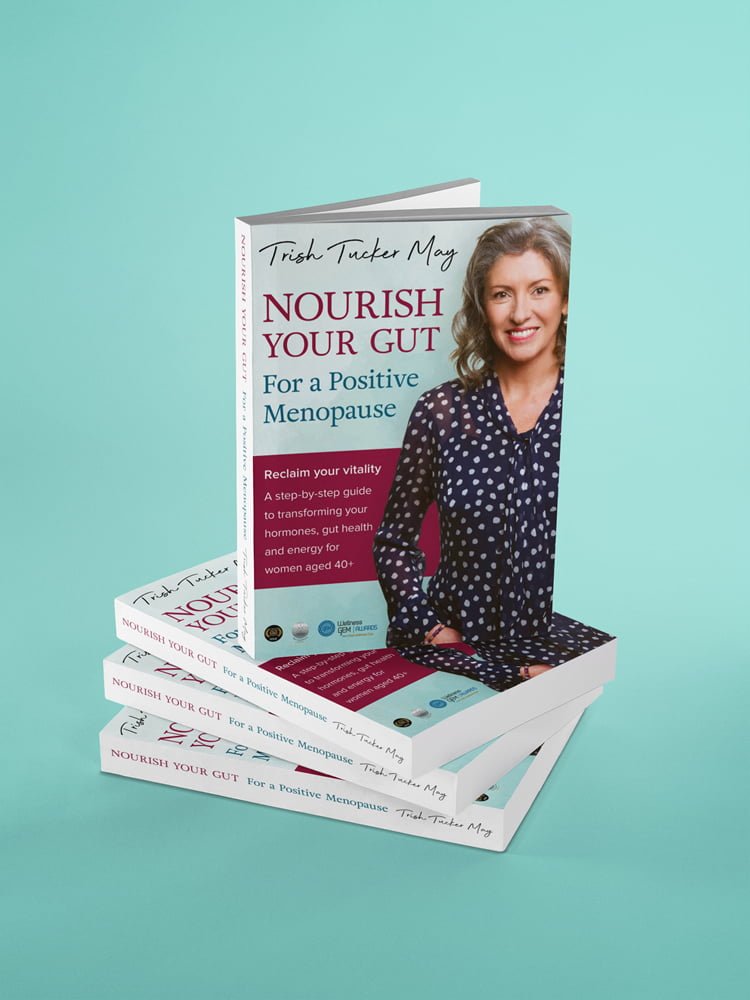
You can also grab my book Nourish Your Gut for a Positive Menopause for even more gut-loving tips and recipes!

Click here to learn more and join the program.

Special Offer – Use the promo code BEATTHEBLOAT to get this programme for £29 instead of £195

Buy the book NOURISH YOUR GUT here

How Sarah Beat the Bloat and Got Her Energy Back – Without Giving Up Chocolate

Let me tell you about Sarah.

When she first reached out to me, she was frustrated, fed up, and frankly exhausted.
“I feel like a stranger in my own body,” she said.
Her digestion was a mess. She was bloated by midday, struggling with cravings, and couldn’t make it through the afternoon without reaching for sugar or caffeine. Sleep? Patchy at best. Energy? Non-existent.

The worst part?
Sarah thought she was doing everything right. She was eating what she thought was “healthy”, trying to rest, and taking random supplements that Instagram told her to try. But nothing was working. Her hormones were out of balance, and she was gaining weight without changing a thing. She had already got her copy of my book Nourish Your Gut but she wasn’t being consistent.

Does this sound familiar?


The Turning Point

Sarah didn’t need another expensive gut test or a restrictive elimination diet.

She needed simple, natural support that fit into her real life — around her busy job, family routines, and the occasional square of dark chocolate.

That’s when she joined my Monthly Health Reset Membership.


What Happened Next Wasn’t Magic — It Was Consistency

In her first month, we focused on reducing bloat and supporting her gut lining.

She swapped a few ingredients in her meals.
She added in some herbs and teas to calm her digestion.
She learned how to eat in a way that didn’t spike her blood sugar (goodbye, cravings!).
And — most importantly — she didn’t have to give up everything she loved.

She even messaged me:

“I’m already feeling lighter and more energised — and I haven’t had to give up chocolate! This feels sustainable.”


Month by Month, Sarah Got Her Spark Back

💤 In Month Two, we worked on improving her sleep — with natural remedies and a simple wind-down ritual.
🍫 In Month Three, she tackled sugar cravings — and finally stopped the 3pm energy crash.
🧘‍♀️ In Month Four, she focused on stress support — using essential oils and gentle breathwork to calm her nervous system.

The result?

“I finally feel like myself again. I have energy. I sleep through the night. I’m less bloated, my jeans fit better, and I’m no longer obsessing over food. I just feel… good.”


The Truth Is — You Don’t Need Another Diet

What you do need is:

  • Reliable, expert guidance (without the overwhelm)
  • Supportive tools that work with your body, not against it
  • A plan you can actually stick to
  • A community that keeps you motivated

That’s exactly what the Monthly Health Reset Membership offers — for less than the cost of a meal out.

Each month, we focus on one key area of your health — digestion, sleep, hormones, blood sugar, stress — so you’re always making progress without burning out or giving up.


You Could Be the Next Sarah

If you’re ready to:

  • Ditch the bloat
  • Sleep better
  • Balance your hormones
  • Feel more calm and in control
  • Get back your energy and sparkle

Then come join us.

👉 Click here to learn more and join today.
(No contracts. Cancel anytime. Just support, tools and results.)

Are You Guessing About Your Health? This Easy Test Reveals the Truth about Your Diet!

Is Your Body Functioning as It Should?

The Simple Test that changed everything.

Sarah had tried everything. Diet after diet, exercise plans, and expensive supplements—all in an effort to lose weight and feel better. But nothing seemed to work. At 40, she felt sluggish, bloated, and frustrated with the stubborn pounds that refused to budge.

Then she discovered the Balance Test—a quick and easy finger-prick test that would finally reveal what was really going on inside her body.

Testing Takes Out the Guesswork

Like many women, Sarah assumed she was eating the right foods and following a healthy lifestyle.

But her Balance Test results told a different story.

The test measured key markers of inflammation and nutrient imbalances, helping her pinpoint exactly what was causing her fatigue, bloating, and weight gain. Within just 10-15 days, she had clear answers.

Armed with this knowledge, Sarah made a few simple changes—adjusting her diet, supporting her gut health, and reducing inflammation.

The result?

She lost 12 pounds (5.5kg) in eight weeks, felt more energised than she had in years, and finally saw the progress she had been hoping for.

The Power of Knowledge

So many women struggle with their health, feeling like they’re doing everything “right” but still not seeing results. The truth is, without testing, you’re just guessing.

The Balance Test gives you real data about what’s happening inside your body—so you can make targeted changes that actually work.

If you’re tired of spinning your wheels and ready for real answers, it’s time to take control of your health.

Let me guide you.

Book your Balance Test today and discover the path to better energy, weight loss, and vitality!

Stress, Anxiety & Gut Health: What’s the Link?

Unfortunately, it’s a sign of the times that, to a greater or lesser extent, everyone seems to be plagued with some degree of anxiety or worry. Stress has become a pervasive part of modern life, and its impact on our health is profound. If you’re someone who suffers from digestive issues, you may have noticed a direct link between your stress levels and how your gut feels. It’s not just your imagination – science backs up this connection. Have you ever heard yourself say ‘I have a gut feeling about this’ or ‘I’ve got butterflies in my stomach.’ This is your powerful gut-brain connection, also known as the gut-brain axis.

What Is the Gut-Brain Axis?

The gut-brain axis is a two-way communication system between your gut and your brain. It involves multiple pathways, including the vagus nerve, hormones, and neurotransmitters. This connection ensures that your brain and gut are constantly in sync. For example, when you’re stressed, your brain sends signals to your gut, which can result in symptoms like bloating, cramps, or changes in bowel habits.

Your gut also communicates with your brain through its microbiome – the trillions of bacteria, fungi, and other microorganisms living in your digestive system. A healthy gut microbiome produces neurotransmitters like serotonin, which plays a significant role in regulating mood and anxiety levels. In fact, about 90% of your body’s serotonin is produced in your gut!

How Stress and Anxiety Affect Your Gut

When you’re stressed or anxious, your body enters ‘fight or flight’ mode. This response is designed to protect you in life-threatening situations, but chronic stress keeps your body stuck in this state, wreaking havoc on your digestion. Here’s how:

Reduced Digestive Function: Stress diverts energy away from digestion, leading to issues like bloating, indigestion, or constipation.

Imbalance in Gut Microbiota: Chronic stress can disrupt the balance of good and bad bacteria in your gut, contributing to inflammation and digestive disorders like IBS (Irritable Bowel Syndrome).

Increased Gut Permeability: Stress can weaken the lining of your gut, leading to ‘leaky gut syndrome,’ where toxins and partially digested food particles escape into your bloodstream, triggering inflammation and other health issues.

Heightened Sensitivity: Stress can amplify the gut’s sensitivity to pain and discomfort, making even minor digestive issues feel worse.

The Stress-Gut Cycle

Unfortunately, the relationship between stress, anxiety, and gut health is a vicious cycle. Stress worsens gut health, and poor gut health exacerbates stress and anxiety. For instance, if your gut microbiome is out of balance, it can impact the production of serotonin and other mood-regulating neurotransmitters, leaving you feeling more anxious and stressed. This, in turn, can further damage your gut, creating a feedback loop that’s hard to break.

How to Support Your Gut-Brain Connection

The good news is that by focusing on improving your gut health and managing stress, you can break the cycle and reclaim your vitality. Here are some practical strategies:

Mindful Eating: Take time to eat slowly and chew your food thoroughly. Avoid eating when you’re stressed or distracted.

Probiotics and Prebiotics: Incorporate foods like yoghurt, kefir, sauerkraut, and fibre-rich fruits and vegetables to support a healthy gut microbiome.

Stress Management Techniques: Practices like yoga, tai chi, meditation, and deep breathing can help calm your nervous system and improve digestion.

Adequate Sleep: Prioritise 7-9 hours of quality sleep per night to allow your body and gut to heal and reset.

Stay Active: Regular physical activity can boost serotonin levels and improve gut motility.

Limit Processed Foods: Reduce sugar, alcohol, and highly processed foods, which can negatively impact your gut health.

Seeking Professional Support

If you’re struggling with chronic stress, anxiety, or digestive issues, consider working with a nutritionist or gut health specialist. Personalised guidance can help you address the root causes and create a tailored plan for healing. We cover this and more in the 8 week programme.

Meet Olivia: Her Journey Through the 8-Week Gut Transformation Programme

Let’s talk about Olivia—one incredible woman who’s currently going through my 8-week gut transformation programme. Here’s the thing though: Olivia is four months in and still going strong, which is completely normal and absolutely okay! This programme is self-paced, meaning everyone’s journey is unique, and it’s all about progress, not perfection. No one’s on a timer here.

For Olivia, it’s been a game-changer. She’s 8kg lighter, but more importantly, she feels healthier than ever.

Olivia’s Story: More Than Just Weight Loss

Olivia, like many women in their 40s and 50s, is navigating the rollercoaster that is peri-menopause. Along with that, she’s on HRT (Hormone Replacement Therapy), which has been helpful for many aspects of her health. However, despite the HRT, she was still battling some frustrating symptoms:

  • Belly bloat that just wouldn’t quit
  • Poor quality of sleep (those 3 a.m. wake-ups are no fun)
  • And a fair share of anxiety and mood swings

That’s when she decided to give my Gut Transformation Programme a go. Fast-forward four months, and Olivia’s results are amazing—she feels nourished, not deprived, and is well on her way to a healthier, happier version of herself.

It’s Not a Race—It’s a Journey!

Here’s the beautiful thing about this programme: it’s designed to be self-paced. Olivia’s journey is a perfect example of why that flexibility matters. Some people might breeze through the programme in eight weeks, while others, like Olivia, take more time—and that’s completely okay! The goal is steady, lasting progress, not a quick fix. After all, real transformation takes time.

Hear from Olivia herself as she shares her journey…you’ll love it!

How The Programme Works (And Why It’s So Life-Changing!)

This isn’t just a standard gut health programme; it’s a whole new approach to supporting your body through peri-menopause and beyond. The programme provides a toolkit for better digestion, energy, and sleep, with the flexibility to fit your life and your schedule.

Here’s what you’ll get when you dive in:

  • Recipes your whole family will love (goodbye boring meals!)
  • A sense of community—you’re not alone in this!
  • Expert guidance on gut health, from someone who’s been through it herself
  • Weekly videos full of digestible (pun intended!) info on how to support your gut
  • Shopping lists and meal plans to take the stress out of planning
  • Step-by-step guides for everything from detoxing to lifestyle adjustments

Olivia loves that she can take things at her own pace. Some weeks, she dives into the videos and implements new changes, while other weeks, she revisits old lessons to really cement those healthier habits. It’s all about flexibility—there’s no one-size-fits-all here.

The Key to Gut Health Success? Patience and Self-Love

For women going through peri-menopause, there are unique challenges when it comes to gut health. Hormonal shifts can wreak havoc on digestion, sleep, and mood, but the right support makes all the difference. Olivia’s experiencing this firsthand. While her HRT helps balance hormones, the programme is addressing her gut health, reducing her bloat, and calming her anxiety.

Gut healing isn’t just about a temporary diet—this is about making lasting, sustainable changes. That’s why this programme focuses on long-term health benefits, teaching habits and practices that extend well beyond the initial eight weeks.

Why You Should Check Out the Programme for Yourself?

So, if you’re in Olivia’s shoes—struggling with belly bloat, fatigue, mood swings, or just not feeling your best—this programme could be exactly what you need. Whether you’re dealing with the ups and downs of peri-menopause, on HRT, or just seeking better overall health, this self-paced journey gives you the tools to feel your best at your own speed.

And the best part? You’re never alone. There’s a community of women just like you, supporting one another through every step. Plus, with expert guidance and easy-to-follow steps, you’ll have everything you need to kickstart your journey to better gut health.

Ready to Start Your Own Transformation?

Just like Olivia, you don’t have to rush this. Your health is worth taking the time. So, why not give it a go and see what amazing changes you can make? Head over to learn more about the programme, and take that first step towards a healthier gut, better sleep, and more energy.

Because if Olivia can do it, so can you!